This is the life..
Overview
For my HNC recording project ,I chose to record and produce a cover version of Amy Macdonald1`s This is the Life..The song was originally released in 2007 as part of her debut album .It became one her of her biggest hits. The song combines elements of pop, folk and rock music. Featuring acoustic guitar, drums ,bass and vocals, making this an easy choice for my multitrack recording project.
I selected this song because it has a variety of instruments and performance elements that allowed me to demonstrate key recording and editing, mic placement and mixing and mastering techniques .
The Plan:
Instrument choice-Here we chose to use the instruments from tech bass which included Bass guitar acoustic guitar tambourine shaker keys from EMS room Drums in SL2.We got a vocalist to come in who was a friend of one of the group members.
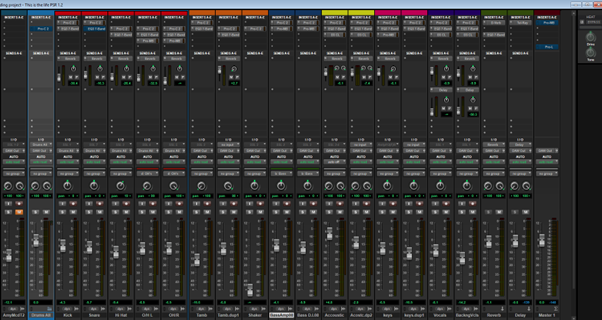
Recording Approach Pro-Tools workflow was carried out using a multitrack session to capture each instrument for maximum control in mixing. A session template was created with labelled tracks Drums Bass Vocals Guitar etc. Along with aux tracks for effects processing. We used a click track throughout the recording. After the recording all takes were edited in pro-tools
So Mic set-up was done by each member on different occasions, the mic s we used
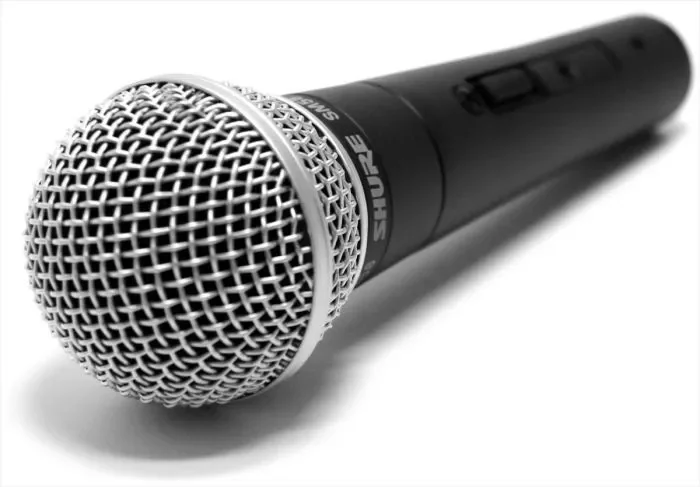
SM 58 –Vocals-Cardioid
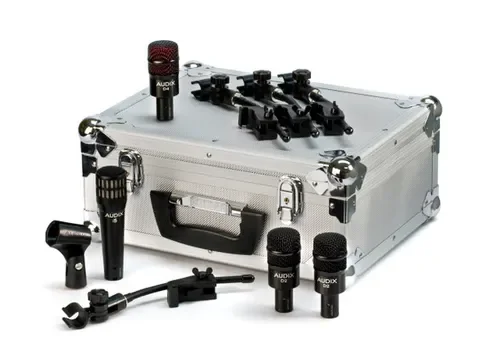
Audix kit was used for the drums
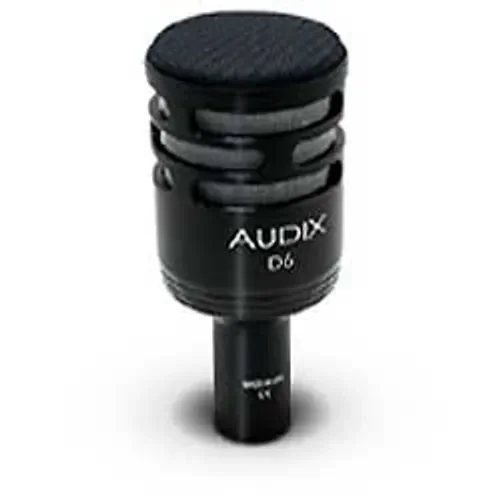
D6- Dynamic-Kick –Cardioid tailored for low end, can handle very loud sounds without distortion placement was faced at the kicker inside the drum
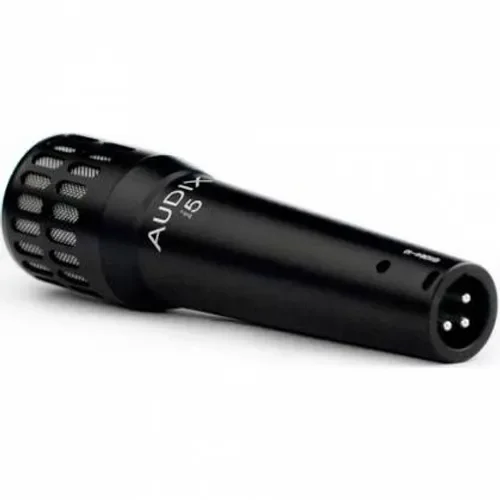
I5- Dynamic-Snare-Cardioid tailored for mid range angled toward the centre of the snare more attack
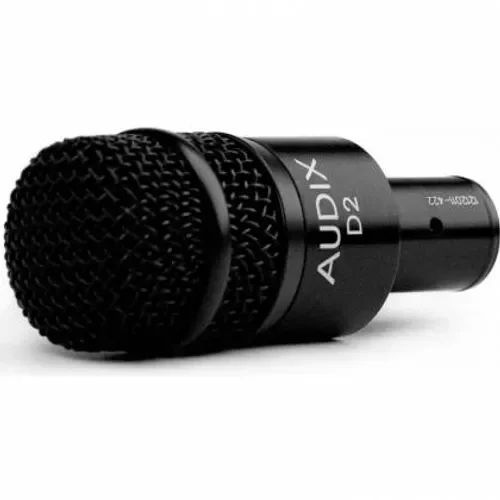
D2-Dynamic-Cardioid this was for the Tom tailored for mid-low frequency captures punch and body. Has good isolation thanks to the polar pattern, minimalizing bleed
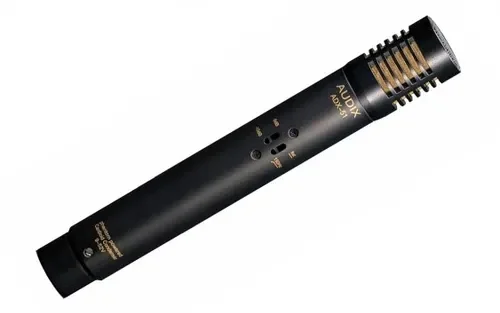
ADX51-Condensor-cardioid was used for Hi Hat, a very sensitive mic that captures detail and high frequencies
LCT 040-condensor –cardioid were used for the overheads ,capture stereo recording, they are very accurate and capture a wide natural image.
Bass we use a DI Box and SM 57 dynamic mic-cardioid placed about an inch from the grill facing the centre cone
Guitar we used the LCT 040 on a stereo bar
Percussion we used the LCT 040 on a stereo bar
Now these are the photos of the mic set up we used ,on the day I did not manage to take pictures so I went back and took some photos of the set-up
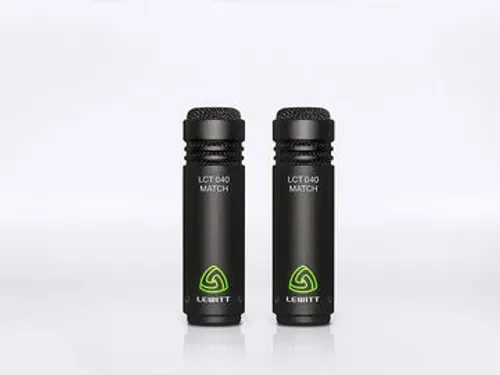
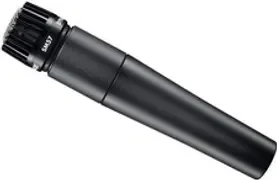
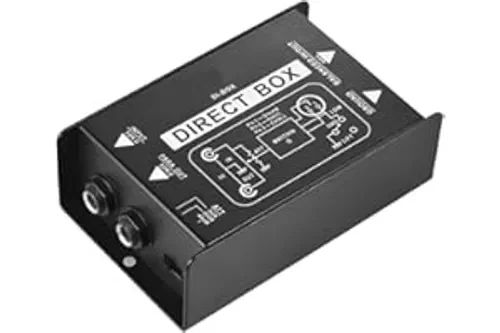
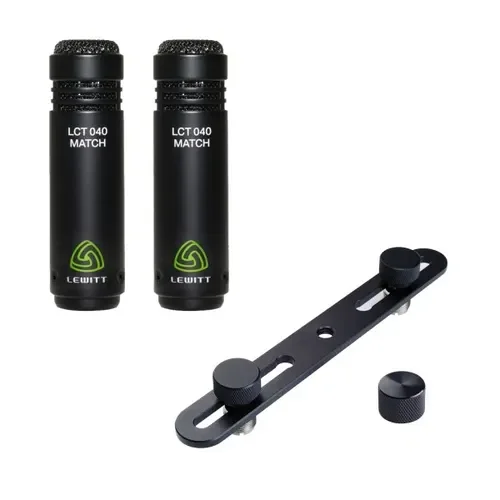
During the recording we used a combination of condenser and dynamic mics. Each mic was selected based on it`s frequency response and suitability for the sound source.
Lead Vocals-SM58- The vocals were recorded when the mic was positioned about 10-20 cm from the vocalist .The vocalist performed well in the Live Room and the recording was good -no unwanted room reflections or background noise.
The drums we recorded in SL2-we placed the mics on or at each component-D6 was positioned just inside the the front of kick drum pointed at the beater. This placement captured a strong low end response and pronounced attack for a suitable kick sound in the mix
The Snare we put the i5 approximately 2-5 cm above the snare head angled toward the centre. This position captured a focussed midrange crack while reducing excessive hi-hat bleed.
The Rack/floor tom we used the D2 which was positioned close to the rim of the tom angled towards the centre of the drum head to capture body and resonance while maintaining clarity and attack.
The Hi-hat we used the ADX51 placed approximately 10-20cm above the Hi-hat cymbals angled slightly away from the snare to minimize bleed while high frequency is captured.
The overheads we used the LCT040 stereo pair we used the large mic stands place using measurements we obtained using a xlr cable from the snare to get even distance. The placement was to maintain phase coherence and balance across the kit, capturing the overall stereo image
Drums
Bass guitar
We used the DI box and the SM57 on the amp. This gave a clean full frequency bass tone, with a strong low end response. The Di sends a clean signal to the desk by turning an unbalanced signal to balnced.Using the DI allows you to record clean and accurate representation of the bass performance with strong low end frequency response and minimal background noise .The sm 57 was placed on a small mic stand and faced toward the centre cone .During mixing the mic signals could be blended with the DI to achieve a balanced bass sound.
Guitar .
The lct o4o on a stereo bar ,the mics were positioned to capture the guitar in stereo providing a wider more natural sound. They were chosen because of their accurate frequency response and ability to capture the detail and transient characteristics..They were placed so they could capture the guitar body and the strings while minimizing unwanted room reflections .Also recording in stereo you get more detailed capture of the performance. the end result was a clear detailed and natural sound from the guitar and completed the overall production.
Percussion we also used Lct 040 which were on a stereo bar. The mics were arranged in stereo configuration placed about 50cm from the performers to capture the performance clearly while maintaining a natural stereo image. They were picked due to their ability to capture high frequency detail and transient information, This choice is perfect due to sharp transients in shakers and tambourines
Pro-Tools - Live Recording-
All instruments were recorded as part of a live recording in Pro-Tools with the correct sample rate 44.1kHz and 24 bit .
Each input from the recording session was routed in ProTools through the desk. And sent to mono and stereo tracks depending on the source. For example the bass guitar was recorded using a DI and a mic on the amp so we needed a separate track for each source. The acoustic and percussion were recorded using stereo mic techniques so they need stereo track in the session. Gain staging was done so as not to get clipping. Or distortion.
Tracks were armed for recording and organized before recording to ensure a good workflow during the session, this included things like labelling tracks and having a structured layout.
Each performance was captured individually to allow greater precision and processing of each instrument during mixing. while still ensuring that all parts worked together cohesively
Mixing process
Once the recording was completed the session moved into the mixing stage. Initial mixing set with setting approximate levels to create a balanced rough mix ensuring that no single element was overpowering the others. Panning was applied to position instruments in the stereo field with stereo recorded maintaining their width creating a realistic sense of space. Eq was used to shape the tonal balance of each track .Unwanted low-frequency rumble was reduced in guitar and percussion while on the bass midrange frequencies were adjusted to help it sit within the mix. The Di Bass provided a solid low end foundation while the 57 gave warmth and presence.
Compression was applied to the the bass guitar to control the dynamics and maintain a consistent level through out the track. Light compression was used to tame the percussion transient peaks .Subtle reverb was added to selected tracks like vocals to create depth and cohesion helping to blend the recordings into a unified mix. Automation was applied through out where necessary to adjust the levels throughout different sections of the track for balance of the instruments as the arrangement developed.Delay was also also used very slightly.
Conclusion and Evaluation
Overall, this recording and production was a successful achievement ,I learnt how to structure a multitrack session in Pr-Tools ,effective separation and control over individual instruments. Recording each instrument separately provided significant advantantages during the mixing stage allowing for precise adjustments to balance ,tone and spatial placement. One key strength of the project was the use of the combined DI and mic in the amp for the bass guitar, which provided both clean low frequency for the foundation and additional warm tonal character. The stereo recording techniques used on acoustic and percussion also enhanced the overall stereo image resulting in a wider and natural sound.
The organisation of the Pro-Tools session was good and clearly labelled. This ensures efficient work flow and reduced the risk of technical issues such as clipping or signal confusion during mixing.
How ever I have a lot of improvement to do. I am just so use to Ableton I find Pro- tools a bit awkward, In need a lot more time on Pro- Tools. I could do with trying out some more of tech bass mics instead of always using the same ones which I will hopefully do in 2027.Much more time on Pro-tools and more time using the desk to get more confident and be more sure.
Links and Recourses
Recording and sampling with Jim and Davey
Pro Tools 101 with Andreas
Tech Base and campus studios
Musicians-Archie- Jack-Lewis-Darcy and Fly
Tes and Ewan co produced